Cardiovascular complaints demand careful interpretation because similar symptoms can represent very different clinical problems. An ECG tracing, medication history, physical examination, hemodynamic finding, or imaging result may significantly change the next decision.
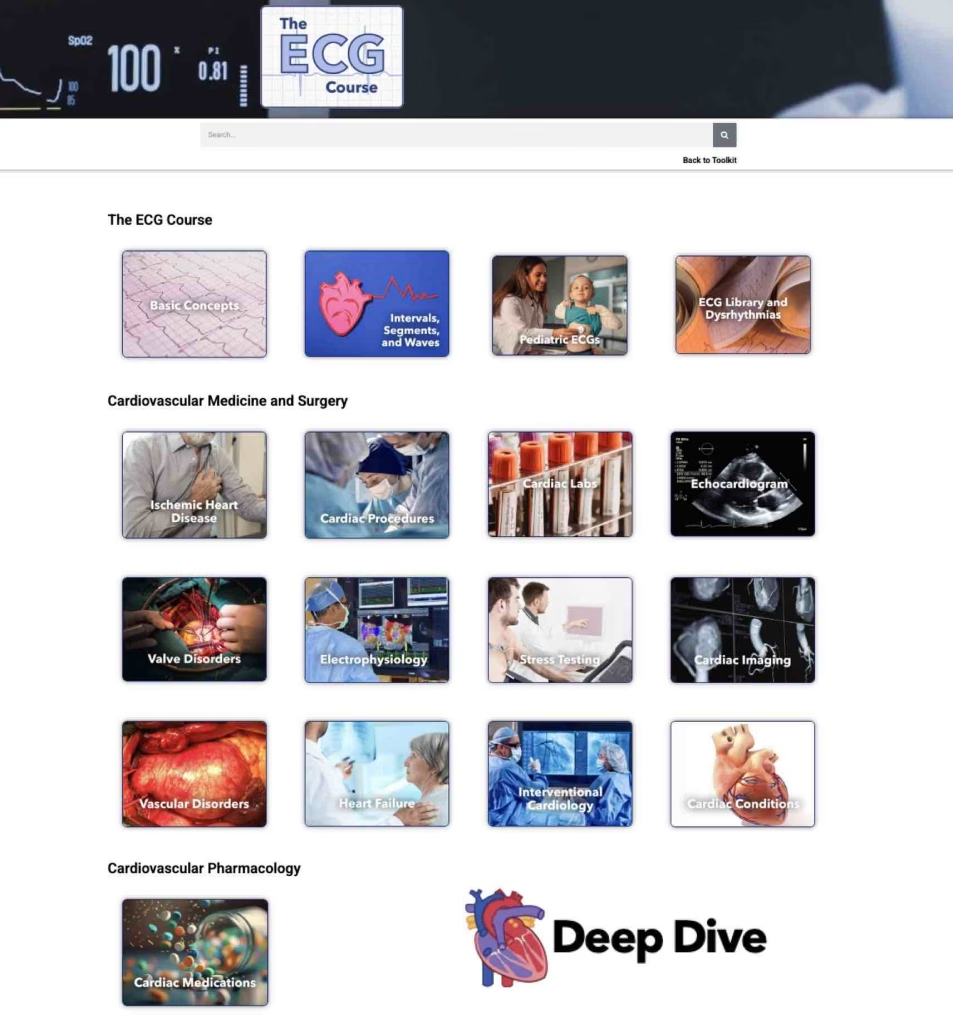
A focused cardiovascular CME course can help clinicians organize this information by connecting cardiovascular physiology and diagnostic interpretation with practical management concepts. The referenced online cardiovascular program covers ECG interpretation, echocardiography, dysrhythmias, electrophysiology, cardiac procedures, pharmacology, and management topics for healthcare professionals seeking deeper cardiovascular knowledge.
That breadth allows learners to look beyond memorizing ECG patterns and understand how findings fit into a wider clinical picture.
Building a Reliable ECG Interpretation Process
ECG interpretation becomes easier when clinicians follow a consistent sequence rather than looking immediately for a familiar abnormality.
A systematic approach may begin with rate and rhythm before moving through intervals, axis, conduction, wave morphology, and ST-T changes. Once a tracing has been described carefully, those observations can be considered alongside the patient’s symptoms and clinical condition.
This is particularly useful because many ECG findings are meaningful only in context. A rhythm tolerated by one patient may warrant a different level of concern in another patient with hypotension, chest discomfort, syncope, or respiratory distress.
Training that repeatedly connects tracings to clinical decisions can help learners develop a more organized habit of interpretation.
Looking Beyond Adult ECG Patterns
Clinicians may feel comfortable with common adult rhythms while finding pediatric ECG interpretation less familiar. Differences in heart rate, intervals, axis, and age-related normal patterns can make pediatric tracings more challenging for providers who see them less frequently.
Including pediatric interpretation within cardiovascular education allows learners to compare normal developmental differences with concerning findings. That broader exposure can be particularly useful for clinicians working in emergency, urgent, or mixed-age practice environments.
Understanding Dysrhythmias in Clinical Context
Recognizing a dysrhythmia is only the beginning. Clinicians also need to understand its likely significance, the patient’s stability, which contributing factors to consider, and which management pathways may be appropriate.
A cardiovascular CME course can connect rhythm identification with assessment and treatment concepts. Learners can review conduction abnormalities, tachyarrhythmias, bradyarrhythmias, and other rhythm disturbances while considering clinical presentation and relevant medications.
This helps shift ECG education from visual pattern recognition toward practical clinical reasoning.
Adding Echocardiography to the Picture
ECG findings reflect electrical activity, but they do not answer every cardiovascular question. Echocardiography adds structural and functional information that can influence assessment.
Education covering echocardiogram indications and interpretation can help learners understand when echocardiographic findings contribute useful information. Topics may include ventricular function, chamber abnormalities, valvular findings, and other observations, depending on the program’s depth.
Clinicians do not necessarily need to become specialist echocardiographers to benefit from understanding what common findings mean and how they relate to the patient’s condition.
Connecting Electrophysiology With What Appears on the ECG
Electrophysiology provides a physiological explanation for ECG patterns. Understanding how impulses begin, travel through the conduction system, and interact with myocardial tissue can make rhythm interpretation less dependent on memorization.
When learners understand the mechanisms behind conduction blocks or dysrhythmias, abnormal tracings often become easier to analyze. This knowledge can also support clearer communication when discussing cardiovascular findings with specialists or other members of the care team.
Pharmacology Belongs Beside Diagnosis
Cardiovascular medicine involves medications with different indications, mechanisms, benefits, and risks. A clinician interpreting a cardiovascular problem often needs to consider current medications and possible treatment options simultaneously.
Continuing education can review pharmacology in relation to specific disorders rather than treating medications as an isolated list. Connecting a drug with its clinical use, physiological effect, and relevant precautions can make the material easier to apply.
The referenced course also includes dedicated pharmacology content alongside its broader cardiovascular modules, reinforcing the link between diagnosis and management.
Understanding Procedures and Specialty Care
Cardiovascular care can extend from initial assessment to interventional cardiology and cardiac surgery. Most clinicians will not perform every cardiovascular procedure, but understanding the purpose of common interventions can improve referral decisions and patient discussions.
Education may introduce concepts related to catheter-based interventions, electrophysiology procedures, or cardiac surgical management. This gives learners a better sense of what may happen after a patient moves from initial evaluation to specialty care.
For clinicians in emergency or acute settings, that context can help clarify why particular findings require rapid consultation or escalation.
Learning at a Manageable Pace
Cardiovascular education contains substantial detail, making self-paced study useful for many learners. Online instruction allows clinicians to stop at a difficult concept, review ECG examples again, or return to a pharmacology section after completing other modules.
That flexibility can be particularly helpful when participants are balancing continuing education with clinical schedules.
Turning Cardiovascular Knowledge Into Better Questions
One of the most useful outcomes of cardiovascular education is learning which questions to ask. What does the ECG actually show? Does the finding explain the symptoms? Is the patient stable? Could medication or an electrolyte problem be contributing? Is additional imaging appropriate? Does the situation require specialist involvement?
A thoughtfully structured cardiovascular CME course can provide clinicians with a framework for approaching these questions more consistently.
Consider cardiovascular CME that combines ECG interpretation with physiology, imaging, pharmacology, and management education so that each topic supports a more complete view of the patient.
Frequently Asked Questions
Who may benefit from a cardiovascular CME program?
Physicians, nurse practitioners, physician associates, and other clinicians managing cardiovascular complaints may benefit from structured education in ECGs, disorders, pharmacology, and management.
Can online cardiovascular education include ECG interpretation?
Yes. Online programs can present systematic ECG instruction, rhythm examples, pediatric interpretation, dysrhythmias, and related clinical material for self-paced review.
Why combine cardiology and pharmacology in one course?
Cardiovascular assessment often leads directly to medication decisions, making integrated pharmacology education useful for understanding management choices in clinical practice.
Ready to strengthen cardiovascular knowledge through focused continuing education? At PPE Medical, we connect detailed course material with practical topics clinicians can apply when evaluating cardiovascular conditions.