Fraud Blocker

Fluid Resuscitation in Sepsis: Are We Still Drowning Our Patients?
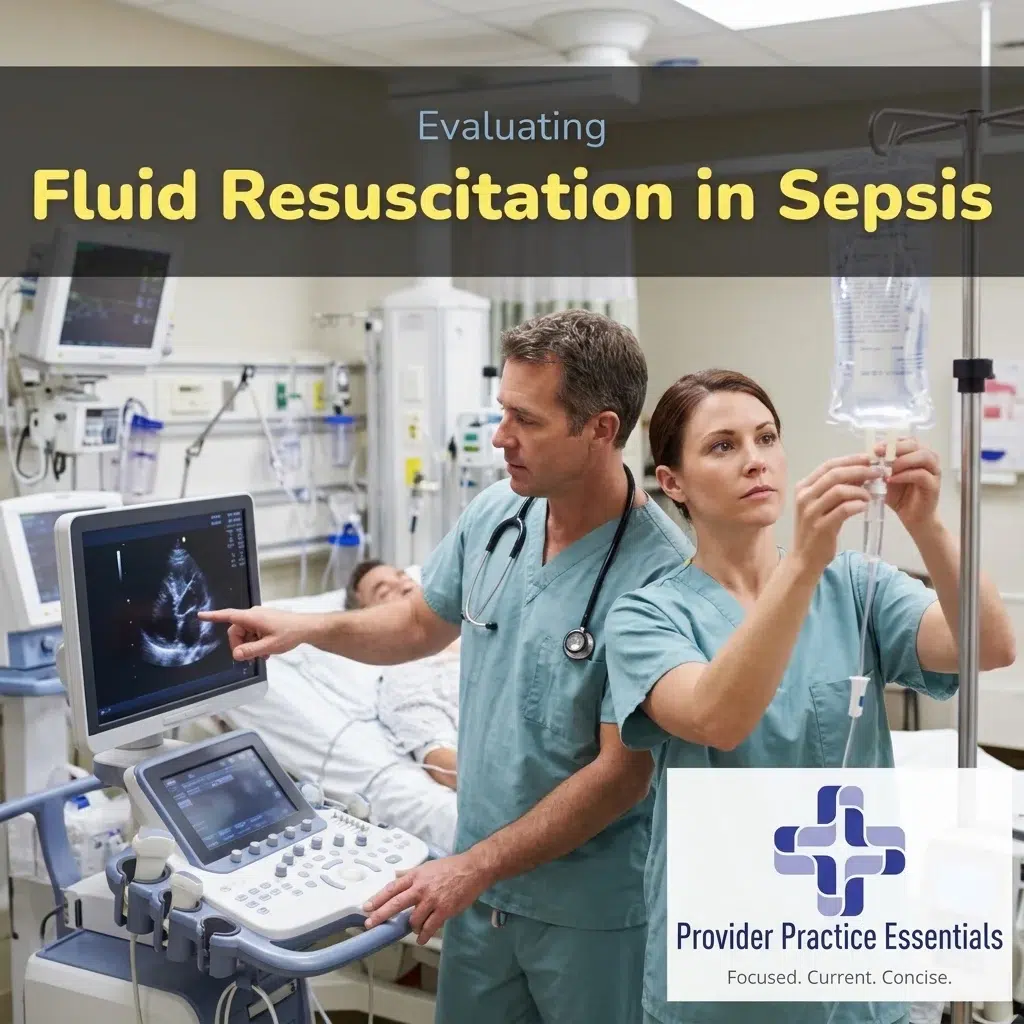
The 30 cc/kg fluid bolus for sepsis has been drilled into the minds of emergency medicine physicians, hospitalists, and acute care advanced practice providers for nearly two decades. When a patient arrives in your resuscitation bay hypotensive, tachycardic, febrile, and with a soaring lactate, the immediate, almost Pavlovian reflex is to open the intravenous fluids …

Read more

Unveiling the Intriguing World of “NeuroGlia” Cells: A Breakthrough in Brain Science

Rob Beatty, MD FACEP Introduction In a groundbreaking discovery that has left the scientific community buzzing with excitement, researchers have revealed a new type of brain cell called “NeuroGlia.” This revelation not only expands our understanding of the complexity of the human brain but also promises to open up new avenues for research and potential …

Read more

What is taught in the Advanced Suturing Workshop?

Advanced Suturing Workshop

Closing a wound well involves far more than choosing a stitch and tying a knot. Clinicians need to evaluate the wound, select appropriate materials, manage anesthesia, choose an appropriate closure method, identify injuries requiring additional attention, and plan based on the laceration’s location and complexity. The Advanced Suturing Workshop builds on suturing fundamentals to cover more …

Read more

Indications for Cardiac Catheterization: When Your Heart Needs a VIP Pass to the Cath Lab

By Rob Beatty, MD FACEP Cardiac catheterization, known affectionately in the cardiology world as “cath,” is one of those procedures that sounds scarier than it is—until, of course, you’re the one lying on the table in a lead apron. But rest assured: cath isn’t just for show. It’s a cornerstone diagnostic and therapeutic tool in …

Read more

How a Cardiovascular CME Course Sharpens Clinical Judgment

cardiovascular CME course

Cardiovascular complaints demand careful interpretation because similar symptoms can represent very different clinical problems. An ECG tracing, medication history, physical examination, hemodynamic finding, or imaging result may significantly change the next decision. A focused cardiovascular CME course can help clinicians organize this information by connecting cardiovascular physiology and diagnostic interpretation with practical management concepts. The referenced …

Read more

What does the Advanced and Difficult Airway Course cover?

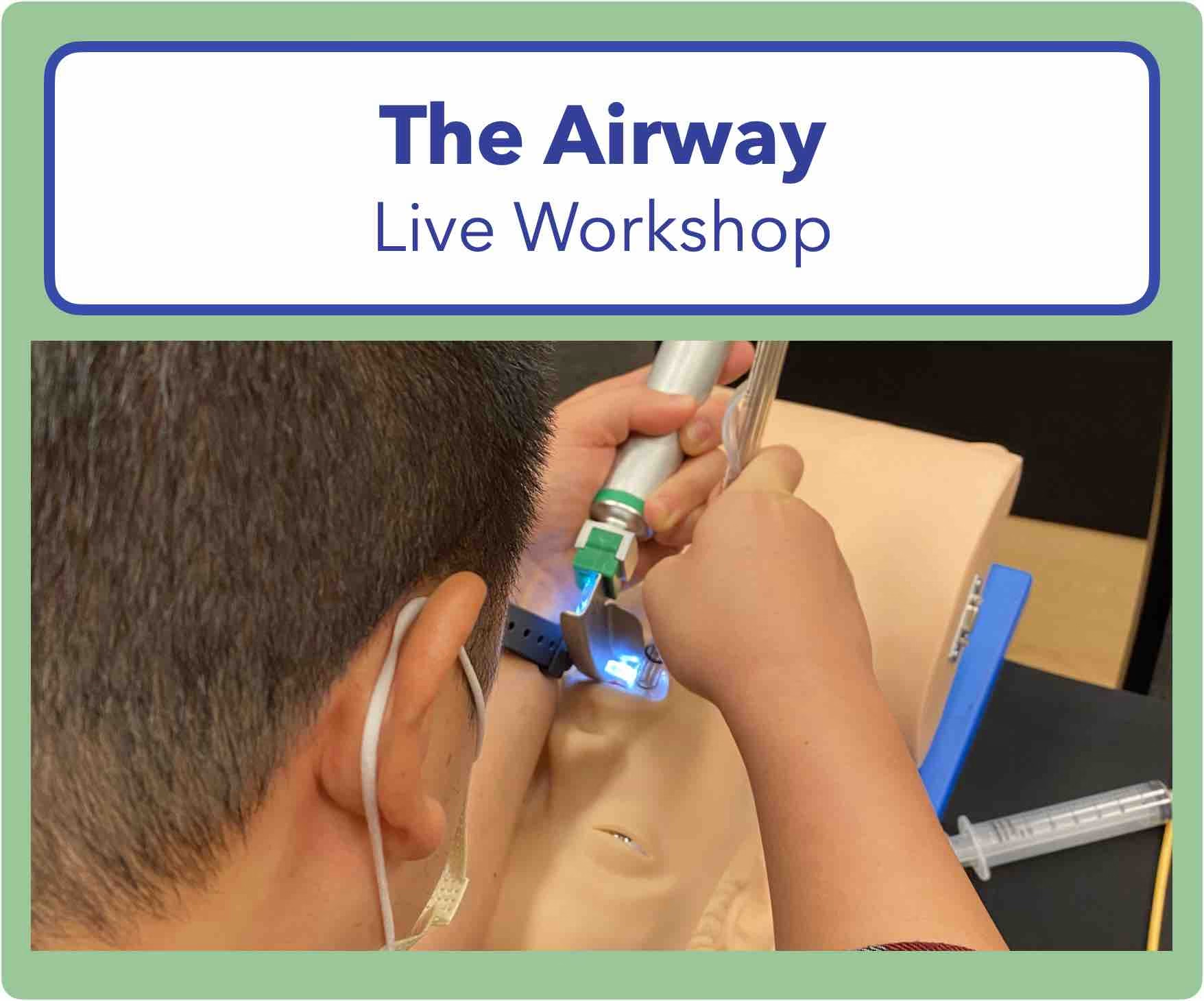
Airway emergencies require structured assessment, sound clinical judgment, and familiarity with appropriate interventions. We offer the Advanced and Difficult Airway Course to help healthcare providers strengthen their knowledge of airway management, stabilization, and intubation. Through progressive modules, clinical algorithms, instructional videos, and scenario-based learning, the course supports practical decision-making across routine, difficult, and failed-airway situations. …

Read more